Wall Street has a complicated relationship with the future of transportation. Take a look at WeRide Inc (WRD), currently trading on the NASDAQ. At the close on May 5, the stock was sitting at $7.71, a modest 1.05% gain on the day, but it’s clear the market is still trying to figure out where to slot this autonomous driving play. With a market cap of $2.58 billion and a 52-week range that’s seen highs of $12.55, WRD is essentially a bet on the “brains” of the next generation of vehicles. They’ve built a full-stack platform that handles everything from modularized hardware to the underlying infrastructure, aiming to be the universal OS for things that drive themselves.
The financials tell a story of a company still in its heavy-spending phase. We’re looking at an EPS of -$1.71, which isn’t exactly surprising in a sector where R&D burns through cash like a jet engine. Yet, despite the red ink, analysts are holding onto a consensus price target of $16.27. It’s a massive gap between the current price and the perceived value, especially when you compare them to peers like Mobileye or Garrett Motion. Investors are essentially waiting to see if WeRide’s tech can actually scale before they commit to that $16 valuation.
While the software side of the industry fights it out on the NASDAQ, the hardware side is undergoing a much more practical evolution over in Europe. The station wagon—or “Kombi,” as the Germans call it—is a cultural staple that’s finally getting a serious electric makeover. The 2026 Opel Astra Sports Tourer Electric is a perfect case study in this shift. While most manufacturers are chasing headlines with massive batteries and absurd 0-60 times, Opel is betting on the idea that efficiency is more important than ego.
Under the hood, or rather under the floorboards, Opel has swapped out the old 54 kWh pack for a slightly beefier 58 kWh battery (with about 55 kWh of usable capacity). On paper, that sounds tiny compared to something like a BMW i5 Touring, but the Astra punches above its weight. By keeping the weight down and focusing on a slick drag coefficient, this wagon manages a real-world consumption of about 15.7 kWh per 100 kilometers. In an era where “range anxiety” is usually solved by just adding more heavy batteries, seeing a car hit its WLTP targets of 445 kilometers through pure optimization is a breath of fresh air.
The performance isn’t going to set your hair on fire, and that’s fine. You’ve got a permanent magnet synchronous motor putting out 156 horsepower and 270 Nm of torque. It’ll hit 60 mph in about 9.5 seconds, which is “commuter-quick,” not “track-day-quick.” However, Opel did something interesting by letting the top speed hit 170 km/h (roughly 105 mph). Most EVs in this class get electronically neutered at 150 or 160, so this is a subtle nod to the Autobahn crowd who actually need to maintain pace in the left lane.
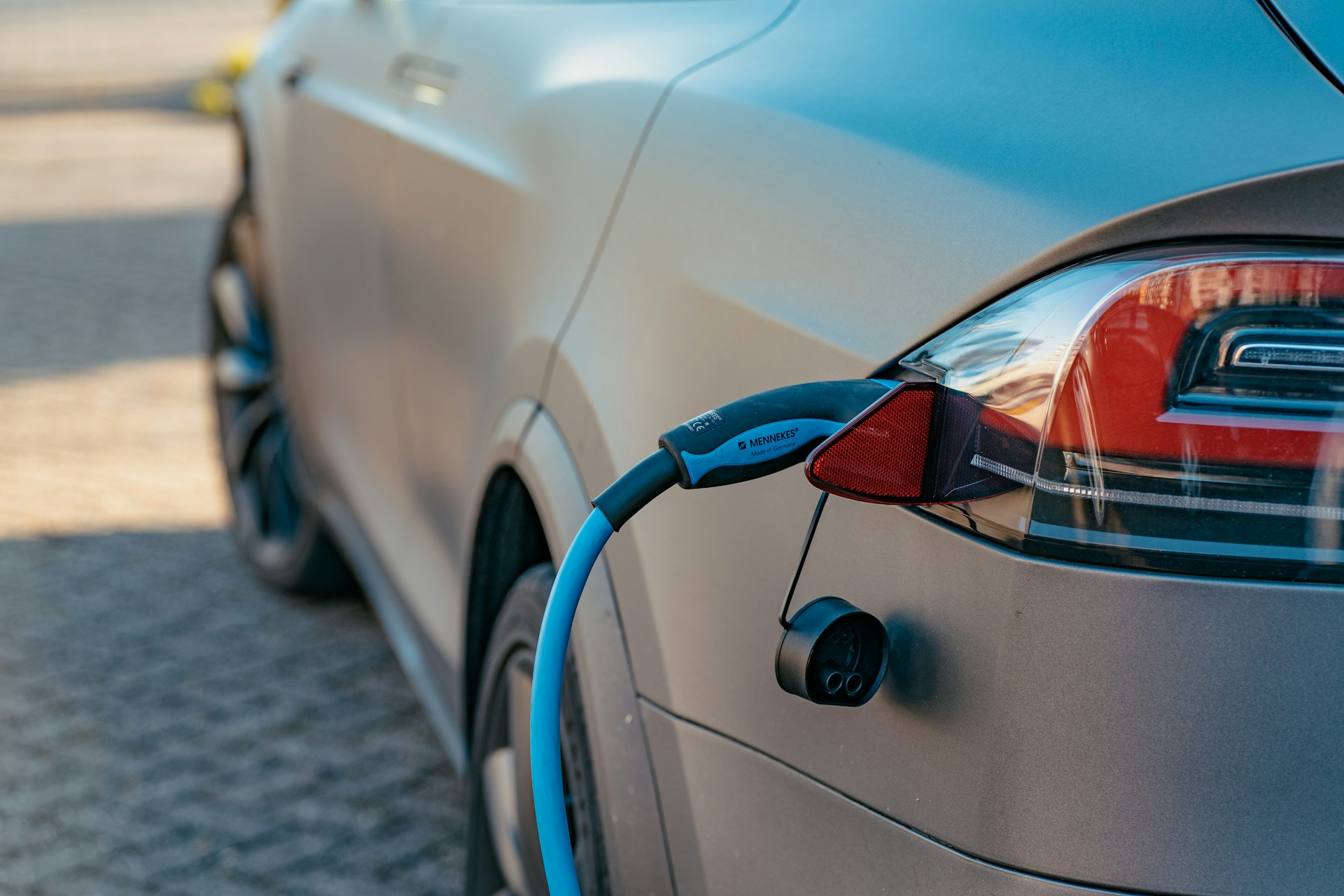
Charging is where the conversation gets a bit more nuanced. The Astra maxes out at 100 kW. By 2026 standards, that’s conservative, especially with Korean competitors pushing double that. Opel’s pitch is all about battery longevity and a flat charging curve—basically, it might not peak as high, but it stays at its max speed longer. They’ve also finally added battery pre-conditioning, which you can trigger from the cabin. It’s one of those “it should have been there all along” features, but having the battery at the perfect temperature before you plug in is the difference between a 30-minute stop and a 50-minute headache.
The real “quality of life” upgrade for this model year is the inclusion of Vehicle-to-Load (V2L) technology. The car essentially becomes a giant power bank for your life. Whether you’re plugging in an e-bike at a trailhead or running camping gear, it turns the vehicle from a simple depreciating asset into a functional tool. It’s this kind of practical tech—paired with the software ambitions of companies like WeRide—that defines the current state of the industry. We’re moving past the “look what we can do” phase and into the “this is how you’ll actually use it” phase. The market might be hesitant, as seen in WRD’s cautious $7.71 price point, but the engineering on the ground suggests the electric transition is finally growing up.